%2Ffit-in%2F250x250%2Fguide_websites%2F183472%2Fimages%2F1787193855096760172524_122122583858811999_3339978843777680864_n1.jpg&w=1920&q=100)
/users/0d175e42-563d-4b2d-a6d5-93de1df158ae/ratecard/delaware-seashore-state-park-fishing4-mt0v0ts5.jpg)
%2F300x300%2Fusers%2F0d175e42-563d-4b2d-a6d5-93de1df158ae%2Fratecard%2Fdelaware-seashore-state-park-fishing4-mt0v0ts5.jpg&w=256&q=75)
%2F300x300%2Fusers%2F0d175e42-563d-4b2d-a6d5-93de1df158ae%2Fimages%2Flewes-delaware-striped-bass-catch-2614.jpg&w=256&q=75)
%2F300x300%2Fusers%2F0d175e42-563d-4b2d-a6d5-93de1df158ae%2Fimages%2Fnight-striped-bass-lewes-delaware-2711.jpg&w=256&q=75)
%2F300x300%2Fusers%2F0d175e42-563d-4b2d-a6d5-93de1df158ae%2Fimages%2Fsurf-fishing-truck-lewes-delaware-2588.jpg&w=256&q=75)
%2F300x300%2Fusers%2F0d175e42-563d-4b2d-a6d5-93de1df158ae%2Fimages%2Ffish-catch-measurement-lewes-2749.jpg&w=256&q=75)
%2F300x300%2Fusers%2F0d175e42-563d-4b2d-a6d5-93de1df158ae%2Fimages%2Flewes-delaware-bluefish-surf-fishing-2546.jpg&w=256&q=75)
%2F300x300%2Fusers%2F0d175e42-563d-4b2d-a6d5-93de1df158ae%2Fimages%2Fsurf-fishing-lewes-delaware-action-2407.webp&w=256&q=75)
%2F300x300%2Fusers%2F0d175e42-563d-4b2d-a6d5-93de1df158ae%2Fimages%2Flewes-de-bluefish-surf-fishing-2444.jpg&w=256&q=75)
%2F300x300%2Fusers%2F0d175e42-563d-4b2d-a6d5-93de1df158ae%2Fimages%2Fsmooth-hammerhead-lewes-delaware-fishing-2513.jpg&w=256&q=75)
%2F300x300%2Fusers%2F0d175e42-563d-4b2d-a6d5-93de1df158ae%2Fimages%2Flewes-stingray-surf-fishing-catch-2650.jpg&w=256&q=75)
%2F300x300%2Fusers%2F0d175e42-563d-4b2d-a6d5-93de1df158ae%2Fimages%2Fsummer-flounder-lewes-delaware-catch-2638.jpg&w=256&q=75)
Heavy Tackle Sand Monsters - Delaware Shore
What you will be catching:
 Blacktip Shark
 Bluefish
 Redfish
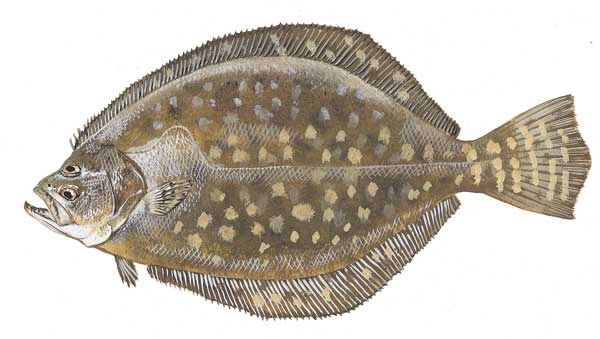 Southern Flounder
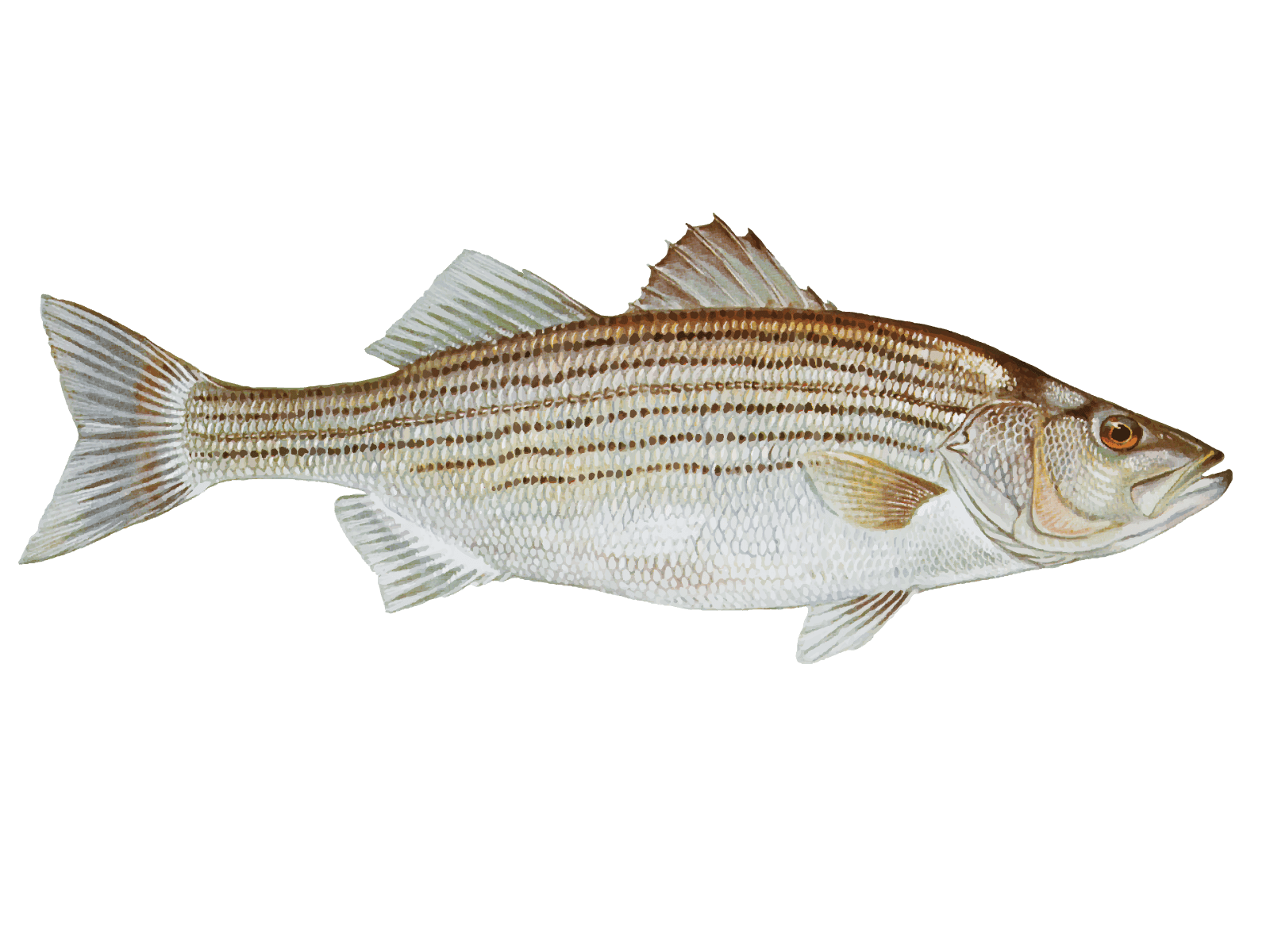
 Striped Bass
- Target sharks and stingrays from Delaware's Atlantic coast
- Heavy tackle fishing with cut bait and sand spike setups
- Expert rigging guidance and fighting techniques provided
Trip Pricing and Availabilities:
Heavy Tackle Sand Monsters - Delaware Shore
If you've ever wondered what it feels like to hook into a serious predator without leaving solid ground, this Delaware shore fishing adventure is about to show you. Captain Kevin's Heavy Tackle Sand Monsters trip puts you right on the Atlantic coastline where sharks and stingrays patrol just beyond the surf break. This isn't your typical beach fishing - we're talking heavy-duty saltwater gear, big cut bait, and the kind of battles that'll have your arms burning and your heart racing. With just one angler per session, you get Captain Kevin's full attention as he teaches you how to land these coastal heavyweights through crashing waves and shifting sand.
What to Expect on the Water
Picture this: you're standing on Delaware's sandy shore with the Atlantic stretching out in front of you, heavy rod secured in a sand spike, waiting for that telltale bend that means business. Captain Kevin sets you up with specialized surf fishing gear designed to handle whatever decides to pick up your bait. We're not talking about your average fishing rod here - these are serious saltwater setups built for fish that can drag you down the beach if you're not ready. The beauty of this setup is the anticipation. You might be chatting about the weather one minute, then suddenly your rod doubles over and you're connected to something powerful cruising the surf zone. Kevin walks you through every step, from setting the hook to applying just the right amount of pressure to tire out these fighters without losing them in the wash. The one-on-one format means you get personalized coaching throughout the entire fight, learning techniques that'll serve you well on future surf fishing adventures.
Heavy Tackle Surf Setup
Shore fishing for big predators requires a completely different approach than casting light tackle for smaller species. Captain Kevin rigs up heavy conventional reels spooled with high-test line, paired with stout surf rods that can handle both the casting distance and the pulling power of large fish. The sand spikes aren't just for convenience - they're engineered to hold your gear steady when a big shark or ray decides to make a run. We use circle hooks with large cut bait, typically fresh chunks that put out the kind of scent trail that draws predators in from deep water. The key is getting your bait out past the breakers where these fish feel comfortable hunting. Kevin shows you proper surf fishing technique, including how to read the water, identify the best feeding zones, and time your presentations with the tide and wave action. When something big takes your bait, the real education begins - learning to fight fish in the surf zone where waves can work against you and sandy bottom gives fish leverage to throw hooks.
Species You'll Want to Hook
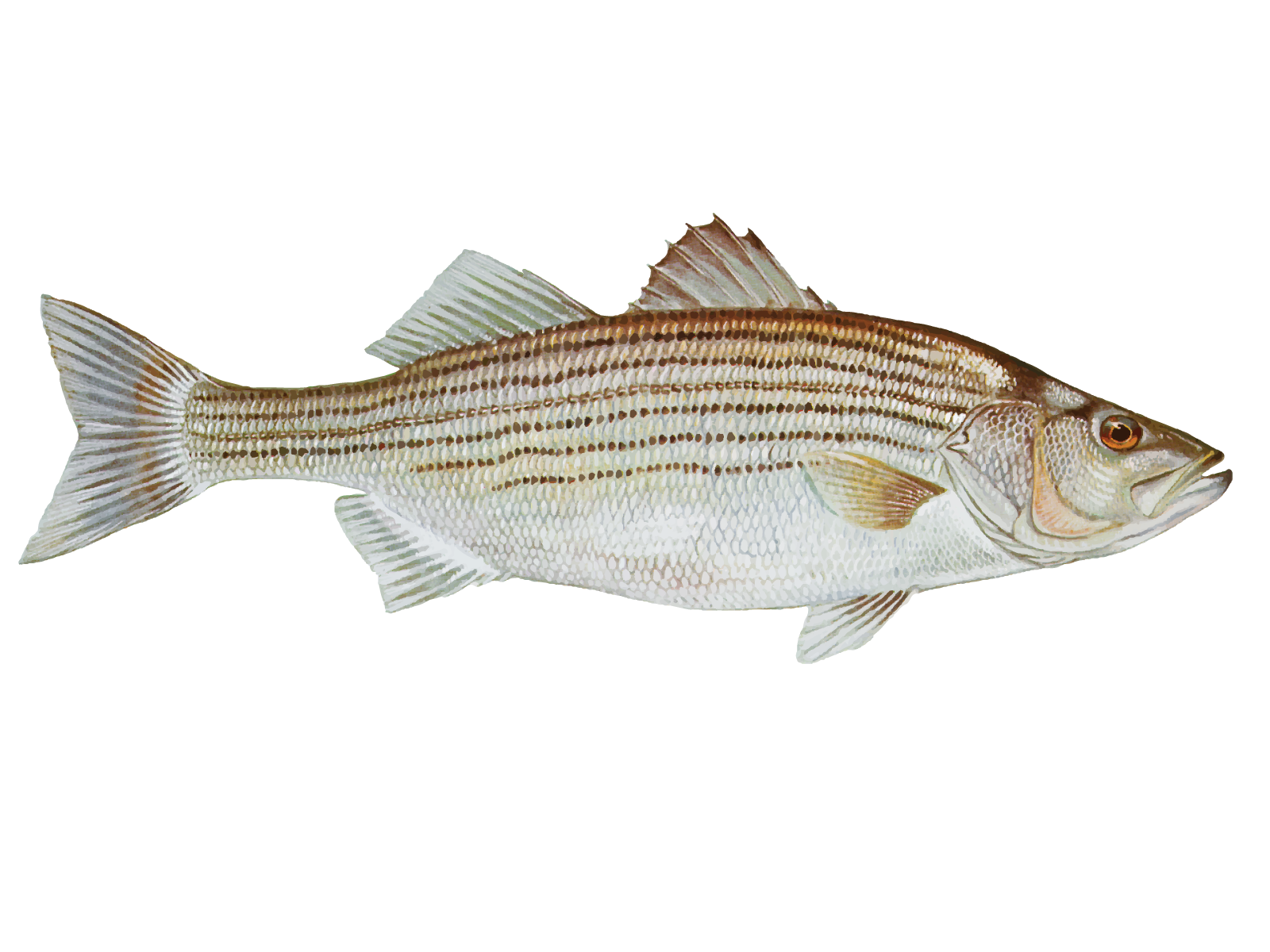
Striped Bass are the crown jewel of Delaware surf fishing, and these coastal waters hold some serious specimens. During peak season from April through June and again in fall, stripers cruise the surf zone feeding on baitfish pushed around by the waves. What makes landing a big striper from shore so satisfying is their fighting style - they use the current and wave action to their advantage, making powerful runs parallel to the beach. A 30-pound striper hooked in the surf will test every bit of your technique and gear. These fish are smart, too, often making last-second runs just when you think you've got them beat.
Redfish might not be as common as they are further south, but when they show up in Delaware waters, they provide some of the most memorable battles you'll experience from shore. These copper-colored fighters are pure muscle, and they don't give up easy. Reds have this habit of making bulldogging runs straight away from shore, and in the surf zone, that means they're using every wave to their advantage. A slot-sized red will bend your rod in half and keep it there for what feels like forever. They're most active during warmer months when baitfish are thick along the coastline.
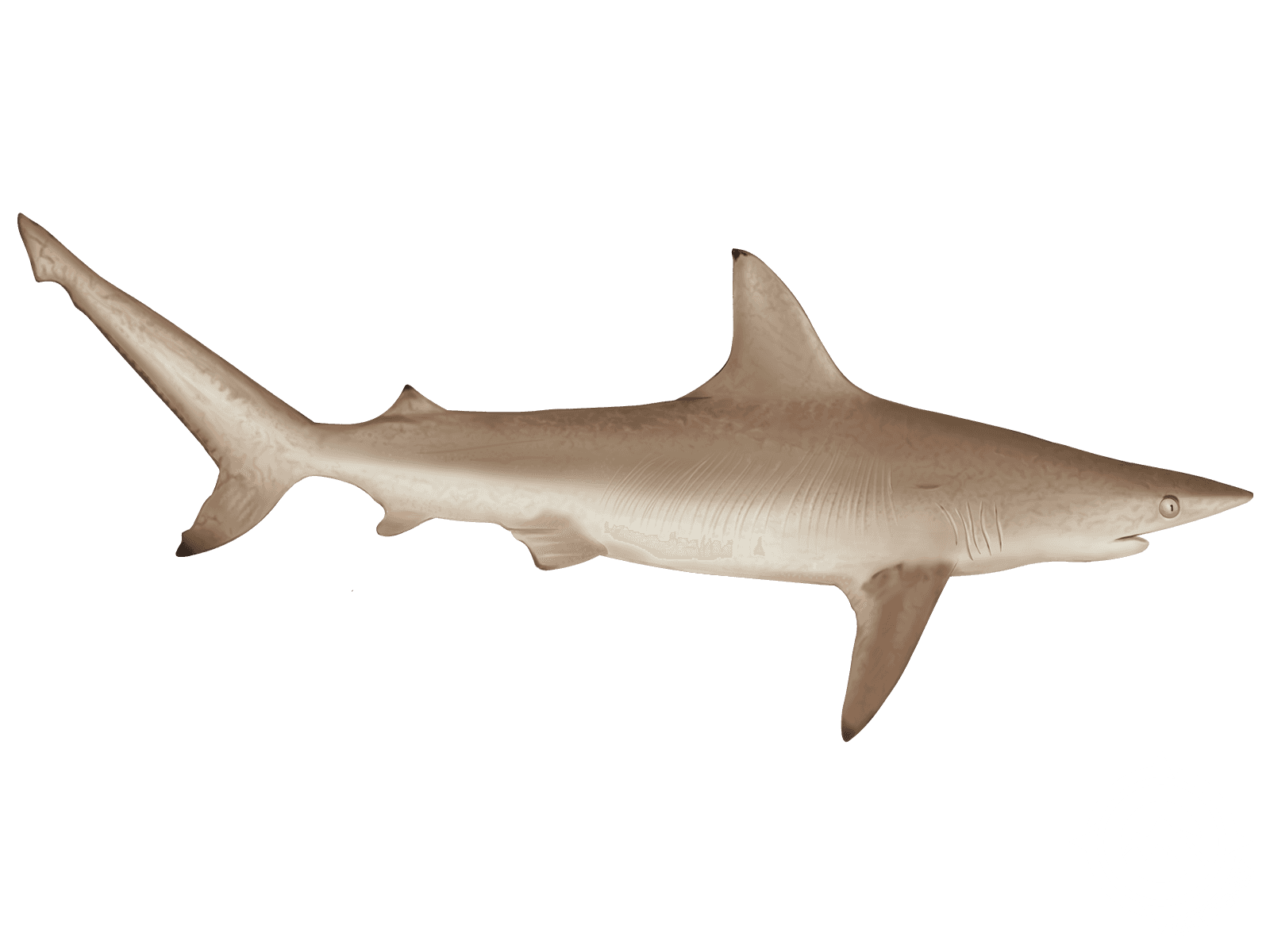
Blacktip Shark encounters from the Delaware shore are what surf fishing dreams are made of. These sleek predators patrol the breakers looking for easy meals, and they're not shy about taking a well-presented cut bait. What sets blacktip fights apart is their aerial displays - these sharks will jump clear of the water multiple times during a fight, putting on a show that'll have you talking about it for years. They're most active during summer months when water temperatures climb, and they often hunt in schools, so landing one might mean more are nearby. The combination of speed, power, and acrobatics makes every blacktip hookup a genuine adrenaline rush.
Southern Flounder are the stealth fighters of Delaware's surf zone, lying buried in sandy bottoms waiting to ambush passing baitfish. These flatfish might not make the spectacular runs of other species, but they fight with surprising strength and determination. What makes flounder fishing exciting is the bite - they often grab bait and hold it without moving, so detecting the strike requires skill and patience. A big flounder will hug the bottom throughout the fight, using its flat profile and powerful tail to resist every attempt to bring it up. Prime flounder season runs from late spring through early fall when these fish move into shallow waters to feed.
Bluefish are the aggressive opportunists of the Delaware surf zone, and when they're feeding, the action can be fast and furious. These toothy predators hunt in schools, slashing through baitfish with feeding frenzies that turn the water into chaos. Blues hit baits hard and fight with raw power, making blistering runs and often jumping during the battle. What makes bluefish so exciting to target is their unpredictability - they might show up in massive numbers one day and disappear the next. When you hook into a big blue from shore, you better be ready for a workout because they don't know how to quit.
Time to Book Your Spot
This isn't just another day at the beach - it's your chance to experience what Delaware's surf zone has to offer when you're properly equipped and guided. Captain Kevin's expertise takes the guesswork out of heavy tackle surf fishing, giving you
Learn more about the animals
Blacktip Shark
Blacktips are some of our most exciting surf targets, running 4-6 feet on average but capable of hitting 8+ feet. You'll spot them by those distinctive black-tipped fins cutting through the water just beyond the breakers. They're surprisingly acrobatic - these sharks will jump clean out of the water when hooked, spinning and tail-walking like a tarpon. They cruise the surf line hunting for baitfish, especially during summer months when water warms up. What makes them special is their aggressive nature and spectacular fights. They're also relatively safe to handle compared to other shark species. We use heavy circle hooks with fresh cut bait - mackerel, bunker, or bluefish work great. Key tip: when you hook one, keep steady pressure but let them run. Their first jump usually comes within seconds, so be ready for fireworks.
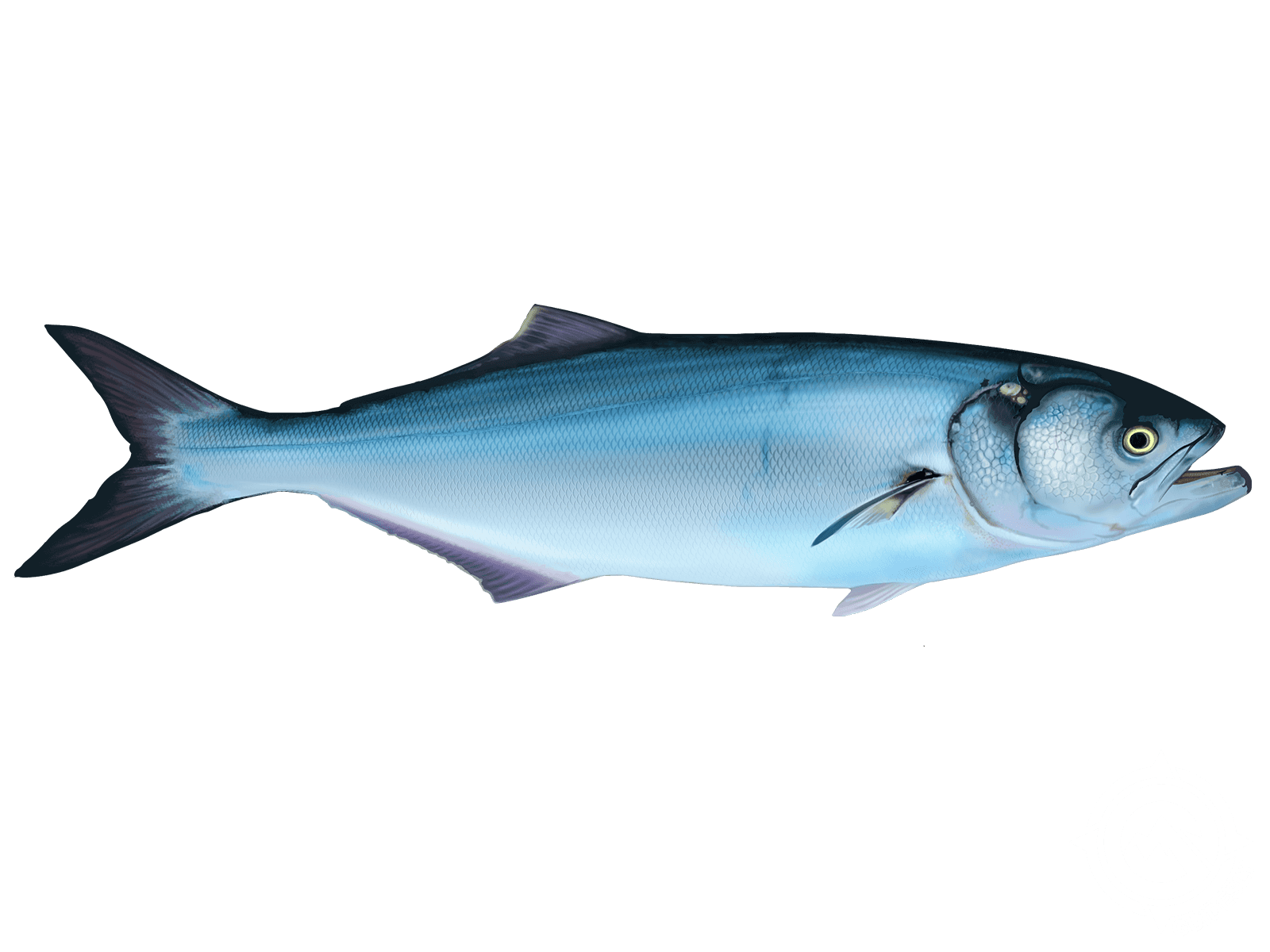
Bluefish
Blues are our most aggressive predators, earning their reputation as the "piranha of the Atlantic." These silver torpedoes average 3-10 pounds but can push 20+ pounds. They travel in schools and feed with incredible ferocity, often continuing to attack baitfish even when full. You'll find them wherever baitfish are - around jetties, in the surf, and following the bunker schools. Summer through fall brings peak action, especially during their famous "bluefish blitz" when they churn the water into foam. What makes them exciting is their hard strikes and bulldogging fights, plus they're great eating when handled properly. They have razor-sharp teeth, so wire leaders are essential. Best tip: when you see birds diving and water boiling, get there fast. Blues will hit anything that moves - spoons, poppers, or fresh cut bait all work.
Redfish
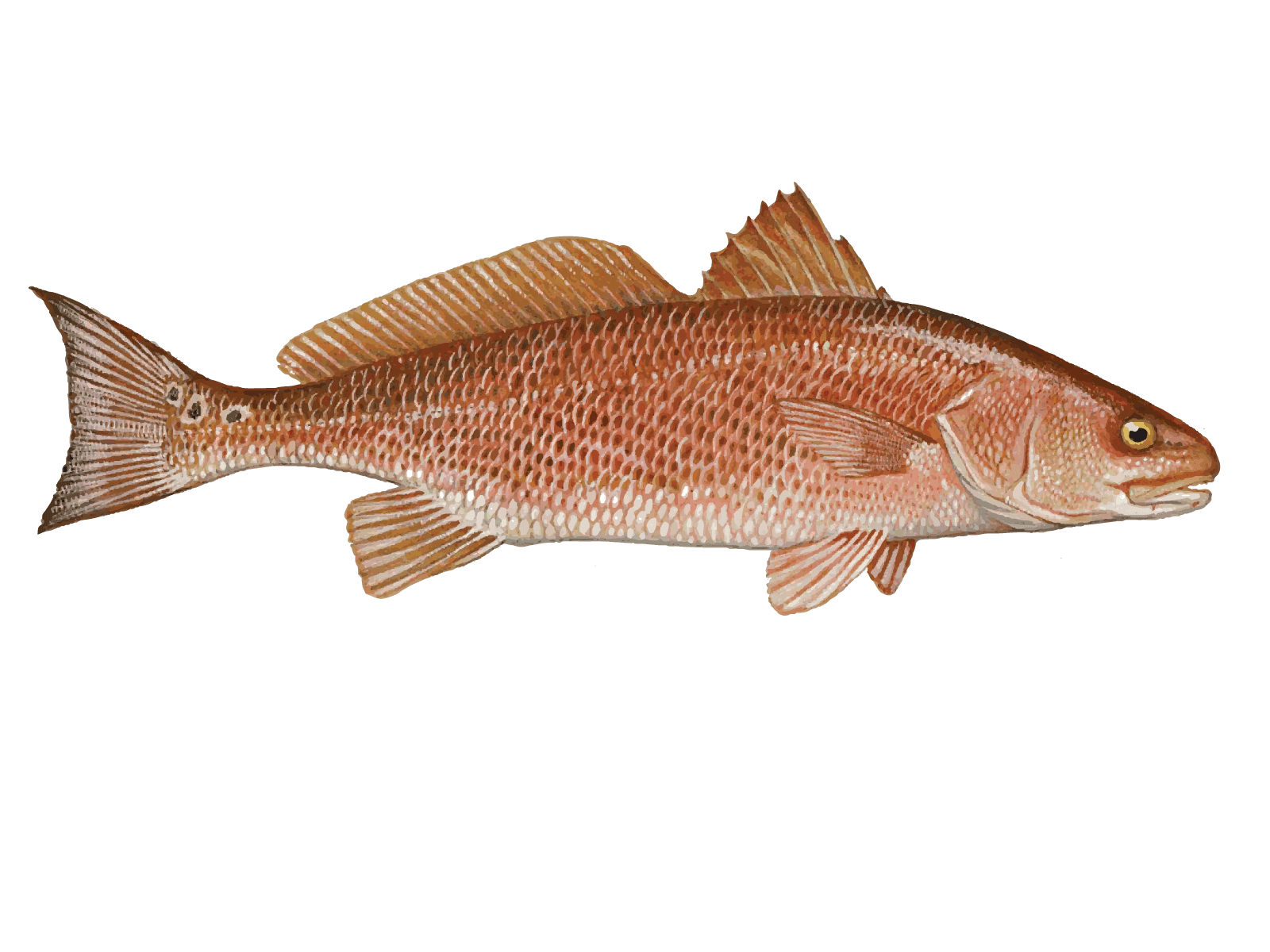
While redfish aren't common in Delaware waters, they occasionally show up during warmer months as strays from their southern range. These copper-colored bruisers with the distinctive black eyespot near their tail are built for shallow water fights. Down south they love 1-4 foot flats, but here they're more likely found around structure in deeper water. Most run 15-30 inches and put up a serious scrap with powerful runs and bulldogging fights. What guests love is their willingness to eat almost anything - cut bait, artificials, even topwater lures can trigger explosive strikes. They're excellent table fare with mild, sweet meat. When targeting these occasional visitors, focus on warmer water pockets around jetties and inlet mouths during summer, and use fresh cut mullet or bunker for best results.
Southern Flounder
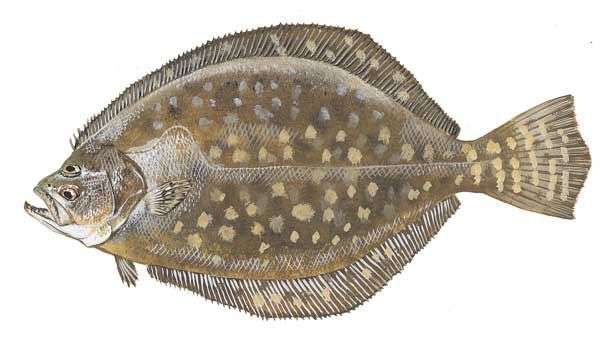
Southern flounder are masters of camouflage, lying buried in sand and mud waiting to ambush prey. These flatfish typically run 15-18 inches but can reach 30+ inches. Both eyes sit on their left side, making them instantly recognizable. They love sandy bottoms near structure - around jetties, bridge pilings, and inlet mouths where current brings food. Fall is prime time when they're feeding heavily before moving offshore. What guests enjoy is the challenge of finding them and their excellent table fare - sweet, white meat that's hard to beat. They hit live minnows, squid, and bucktail jigs worked along the bottom. The trick is fishing slow and low. Drop your jig to the bottom, give it a few hops, then let it settle. Most bites come on the drop, feeling like you just snagged bottom that suddenly comes alive.
Striped Bass
Stripers are the bread and butter of our Delaware coast fishing. These silver beauties with their distinctive black stripes typically run 20-40 pounds, though we see some real monsters pushing 50+. They love structure - jetties, drop-offs, and around the inlet mouths where baitfish get pushed around. Spring and fall migrations bring the best action when water temps hit that 55-68 degree sweet spot. What makes stripers special is their powerful runs and head-shaking fights, plus they're fantastic eating with sweet, flaky meat. They move with the tide changes, so timing is everything. Here's a local tip: when you see birds working the water, get your lines out fast - those stripers are likely pushing baitfish to the surface and feeding hard.