%2Ffit-in%2F250x250%2Fguide_websites%2F183472%2Fimages%2F1787193855096760172524_122122583858811999_3339978843777680864_n1.jpg&w=1920&q=100)
/users/0d175e42-563d-4b2d-a6d5-93de1df158ae/ratecard/delaware-surf-fishing-guide-mt0uqymj.jpg)
%2F300x300%2Fusers%2F0d175e42-563d-4b2d-a6d5-93de1df158ae%2Fratecard%2Fdelaware-surf-fishing-guide-mt0uqymj.jpg&w=256&q=75)
%2F300x300%2Fusers%2F0d175e42-563d-4b2d-a6d5-93de1df158ae%2Fimages%2Flewes-delaware-striped-bass-catch-2614.jpg&w=256&q=75)
%2F300x300%2Fusers%2F0d175e42-563d-4b2d-a6d5-93de1df158ae%2Fimages%2Fnight-striped-bass-lewes-delaware-2711.jpg&w=256&q=75)
%2F300x300%2Fusers%2F0d175e42-563d-4b2d-a6d5-93de1df158ae%2Fimages%2Fsurf-fishing-truck-lewes-delaware-2588.jpg&w=256&q=75)
%2F300x300%2Fusers%2F0d175e42-563d-4b2d-a6d5-93de1df158ae%2Fimages%2Ffish-catch-measurement-lewes-2749.jpg&w=256&q=75)
%2F300x300%2Fusers%2F0d175e42-563d-4b2d-a6d5-93de1df158ae%2Fimages%2Flewes-delaware-bluefish-surf-fishing-2546.jpg&w=256&q=75)
%2F300x300%2Fusers%2F0d175e42-563d-4b2d-a6d5-93de1df158ae%2Fimages%2Fsurf-fishing-lewes-delaware-action-2407.webp&w=256&q=75)
%2F300x300%2Fusers%2F0d175e42-563d-4b2d-a6d5-93de1df158ae%2Fimages%2Flewes-de-bluefish-surf-fishing-2444.jpg&w=256&q=75)
%2F300x300%2Fusers%2F0d175e42-563d-4b2d-a6d5-93de1df158ae%2Fimages%2Fsmooth-hammerhead-lewes-delaware-fishing-2513.jpg&w=256&q=75)
%2F300x300%2Fusers%2F0d175e42-563d-4b2d-a6d5-93de1df158ae%2Fimages%2Flewes-stingray-surf-fishing-catch-2650.jpg&w=256&q=75)
%2F300x300%2Fusers%2F0d175e42-563d-4b2d-a6d5-93de1df158ae%2Fimages%2Fsummer-flounder-lewes-delaware-catch-2638.jpg&w=256&q=75)
Master Surf Fishing at Delaware Seashore
What you will be catching:
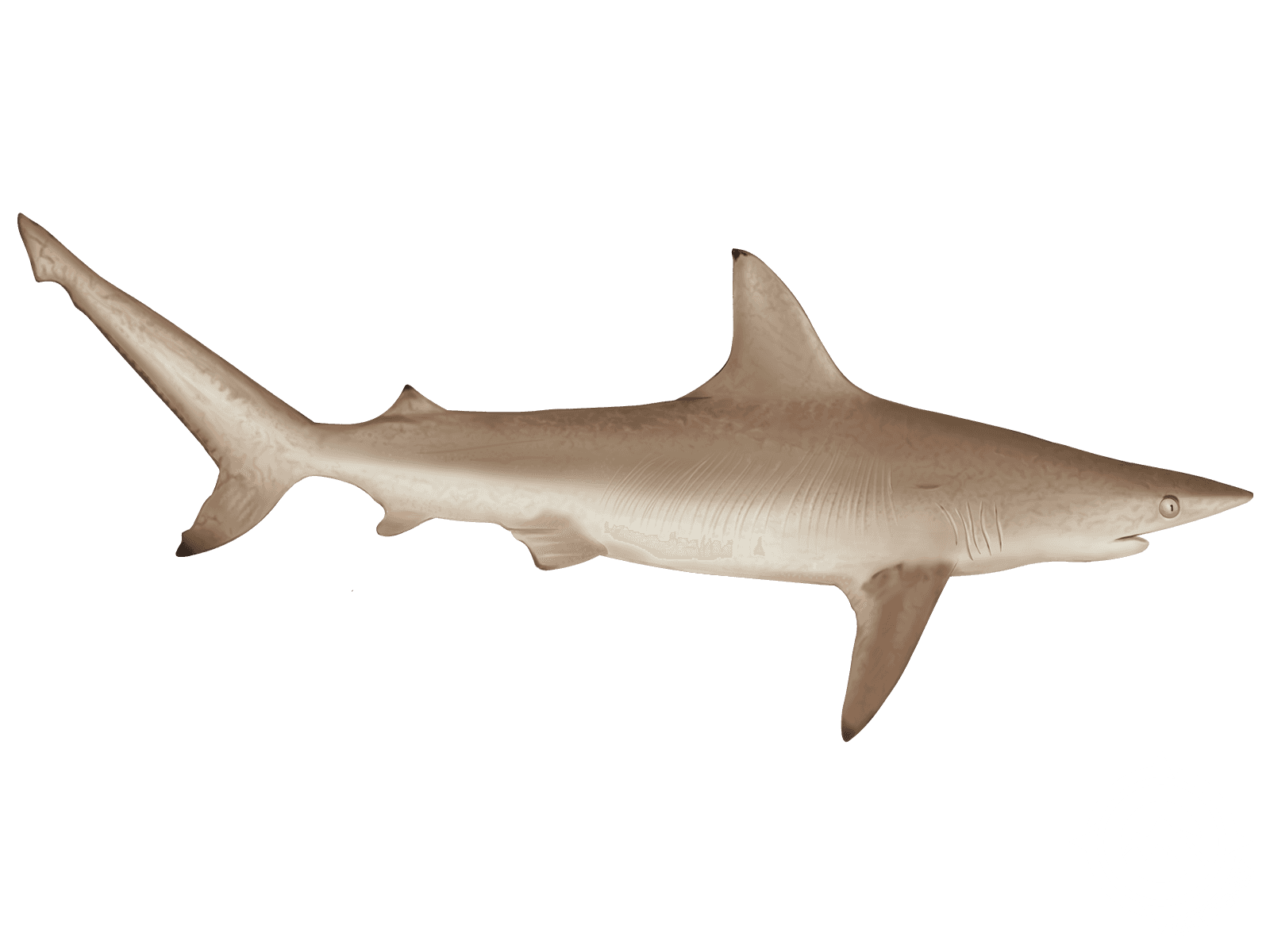
 Blacktip Shark
 Bluefish
 Redfish
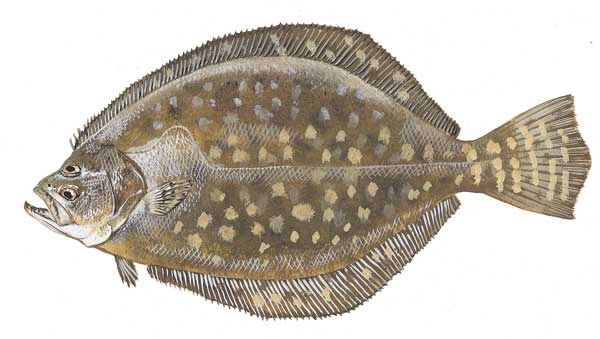 Southern Flounder
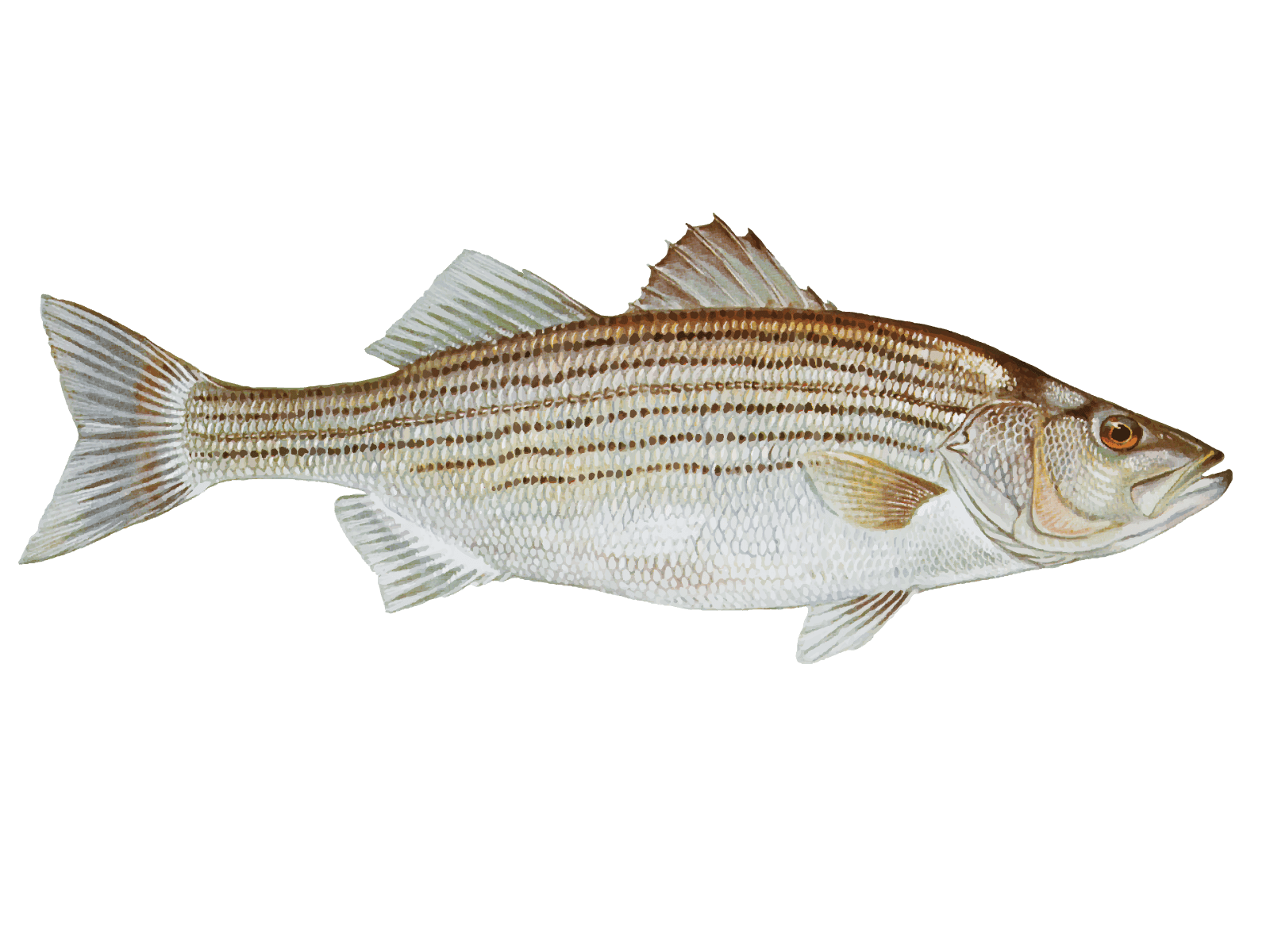
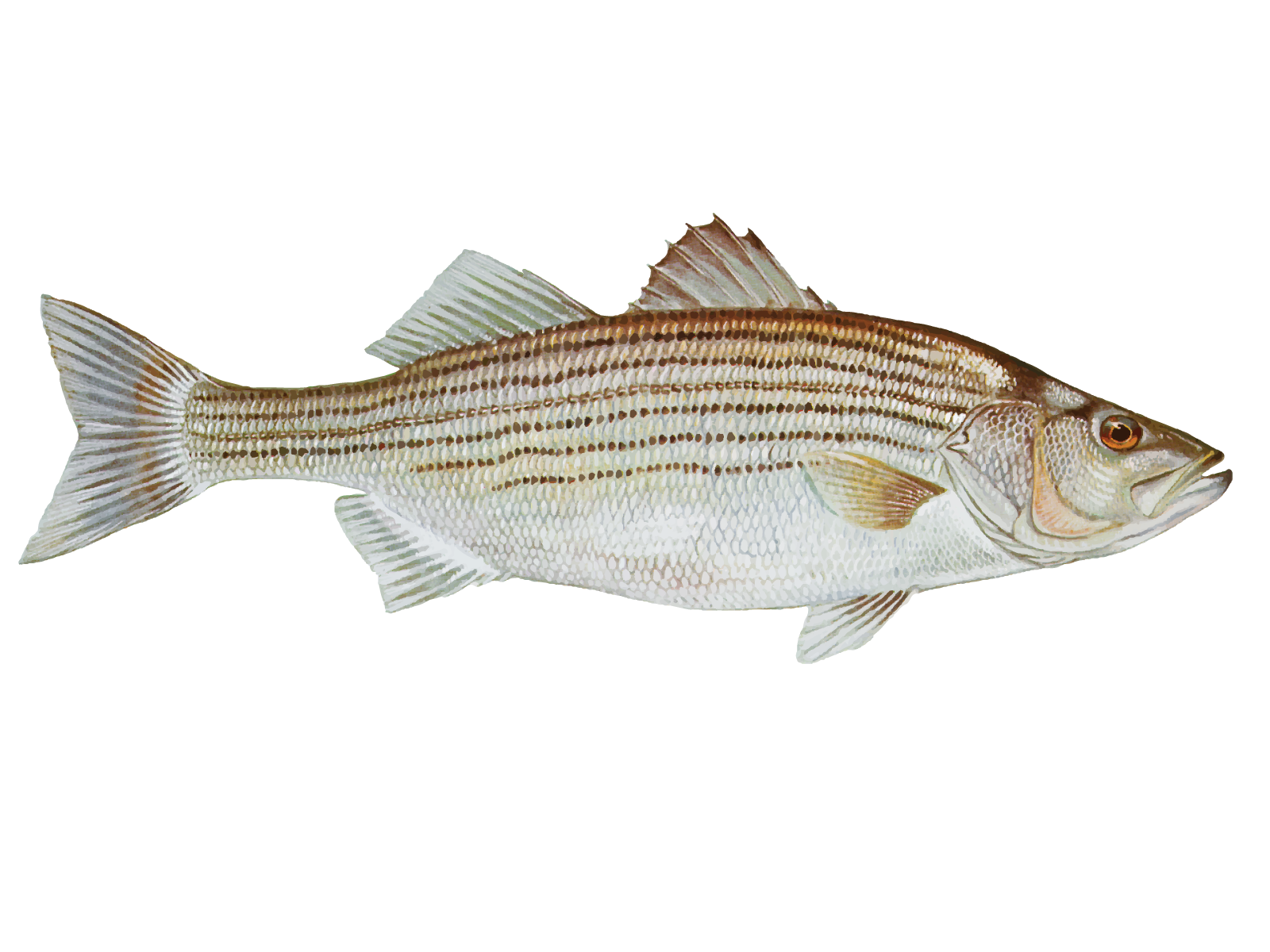 Striped Bass
- Master surf casting with heavy rods and specialized rigs
- Target kingfish, flounder, and rays on Delaware's Atlantic coast
- Learn tide reading, sand spike setup, and beach landing
Trip Pricing and Availabilities:
Master Surf Fishing at Delaware Seashore
Ready to ditch those pond bass and take on the Atlantic? Captain Kevin's Coastal Casting and Rigging Clinic at Delaware Seashore State Park is your ticket to becoming a confident surf angler. This isn't your typical group lesson – it's one-on-one instruction that'll have you reading waves, perfecting your cast, and landing fish right from the beach. Whether you've been casting from freshwater banks for years or you're completely new to saltwater fishing, this hands-on clinic covers everything you need to know about surf fishing Delaware's productive coastline.
What to Expect on the Beach
Picture this: you're standing on pristine Delaware sand with a heavy surf rod in your hands, learning to launch 4-ounce pyramid sinkers past the breakers like a pro. Captain Kevin starts every clinic by sizing up the conditions – wind direction, wave height, and tide movement all factor into where you'll set up your sand spikes. You'll spend quality time getting the feel for distance casting with 10-12 foot surf rods, which handle completely different from anything you've used in freshwater. The captain breaks down the physics of loading the rod properly and timing your release to achieve maximum distance without losing your rig to the waves. By mid-session, you'll be threading your bait through the surf zone and into the strike zone where kingfish, flounder, and rays cruise for their next meal. This personalized approach means you get immediate feedback on your technique and can ask all those questions that come up when you're learning something totally new.
Rigs, Baits, and Surf Tactics
Surf fishing success comes down to using the right setup for the conditions, and Captain Kevin knows every rig that works along this stretch of coast. You'll master the fish-finder rig for targeting bigger species like striped bass and redfish, plus learn when to switch to a high-low rig for smaller bottom feeders. The clinic covers bait presentation from A to Z – how to keep bloodworms lively in the surf, the best way to thread squid strips for maximum action, and why fresh bunker chunks outfish frozen bait every time. You'll also get the inside scoop on reading the water: where sandbars create fish-holding structure, how incoming tides move baitfish closer to shore, and why that seemingly empty stretch of beach might be hiding a productive hole. Captain Kevin demonstrates proper sand spike placement so your rods stay secure even when a big fish hits, plus teaches you the critical skill of managing multiple lines in windy conditions without creating a tangled mess.
Species You'll Want to Hook
Striped bass are the crown jewel of Delaware surf fishing, and these powerful fighters show up in good numbers during spring and fall migrations. Fish anywhere from schoolie size up to 30+ pound cows cruise the surf zone, especially during dawn and dusk when they're actively feeding on bunker and sand eels. What makes stripers so special is their fight – they'll make screaming runs parallel to the beach and test every knot in your rig. The best action typically happens from April through June and again September through November when water temperatures are in that sweet spot.
Redfish have been making a serious comeback along Delaware's coast, and landing one of these copper-colored bulldogs from the surf is pure magic. These drum can push 40+ inches and will give you an arm-burning fight that lasts several minutes. They love to cruise shallow water looking for crabs and cut bait, often feeding so close to shore you can see their backs breaking the surface. Late summer through early fall is prime time for reds, especially around structure like jetties and inlet mouths where they ambush prey.
Blacktip sharks bring serious excitement to surf fishing, with most fish running 3-5 feet and providing heart-pounding runs that'll test your drag system. These aggressive predators hit fresh cut bait hard and often jump clear out of the water multiple times during the fight. Summer months see the most consistent blacktip action, particularly when water temperatures climb above 70 degrees and baitfish are thick in the surf zone.
Southern flounder are the table fare champions of Delaware surf fishing, with their delicate white fillets making every successful trip worthwhile. These ambush predators bury themselves in sandy bottom waiting for baitfish, crabs, or worms to drift within striking distance. Flounder fishing peaks during summer months when these flatfish move into shallow water to feed, and the key is keeping your bait moving just off the bottom where they like to hunt.
Bluefish turn Delaware surf into a feeding frenzy when schools move through the area chasing baitfish. These toothy predators hit lures and bait with incredible aggression, often creating massive surface disturbances as they slash through schools of bunker or spearing. Blues provide non-stop action when they're around, typically from late spring through early fall, and their rich, flavorful meat is fantastic when prepared fresh.
Time to Book Your Spot
This top-rated clinic fills up fast because anglers know that one-on-one instruction with an experienced captain is worth its weight in fish. You'll walk away with the confidence to tackle Delaware's surf on your own, plus all the local knowledge that takes most people years to figure out. Captain Kevin's hands-on approach means you're not just memorizing techniques – you're actually practicing them until they become second nature. Don't forget to grab your Delaware saltwater fishing license before the trip, and get ready to discover why surf fishing keeps anglers coming back to these productive waters season after season. Book now and take your fishing to the next level with this customer-favorite clinic that's already helped countless anglers make the jump from freshwater to salt.
Learn more about the animals
Blacktip Shark
Blacktips are summer visitors to our Delaware waters, usually showing up when the water warms past 70 degrees. These sleek sharks average 4-5 feet but can stretch to 8 feet, and they're easily spotted by the black tips on their fins. They cruise in 30-100 feet of water, often near structure or following bait schools. What makes them exciting is their acrobatic jumps when hooked - they'll launch clean out of the water spinning like a torpedo. Use heavy braided line and circle hooks with oily baits like mackerel or bunker. The key is getting your chum line going to draw them in close. They're not great eating, so most folks release them after the fight. Watch your hands - those teeth are razor sharp even on smaller ones.
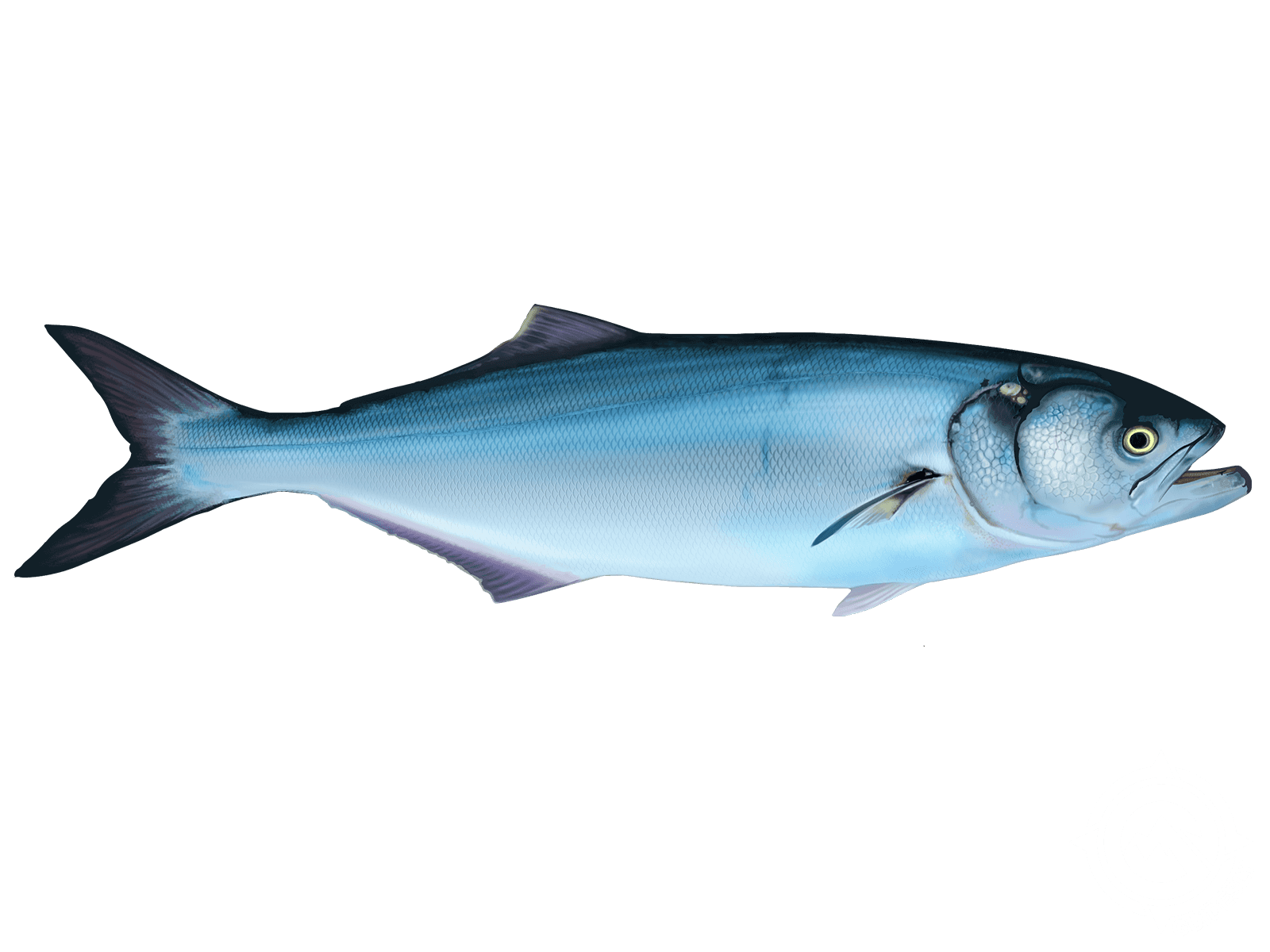
Bluefish
Blues are aggressive feeders that arrive in our Delaware waters during summer and stick around through fall. These silver-blue torpedoes typically weigh 3-10 pounds, with occasional larger fish hitting 15-20 pounds. They travel in schools, often creating feeding frenzies called "bluefish blitzes" where they attack baitfish near the surface. You'll find them in the surf, around jetties, and over structure in 20-60 feet of water. What makes blues exciting is their vicious strike and strong fight - plus they'll hit almost anything you throw at them. Smaller "snappers" are great for kids to catch. Watch those razor-sharp teeth when handling them. Fresh blues are excellent eating when bled immediately and kept cold.
Redfish
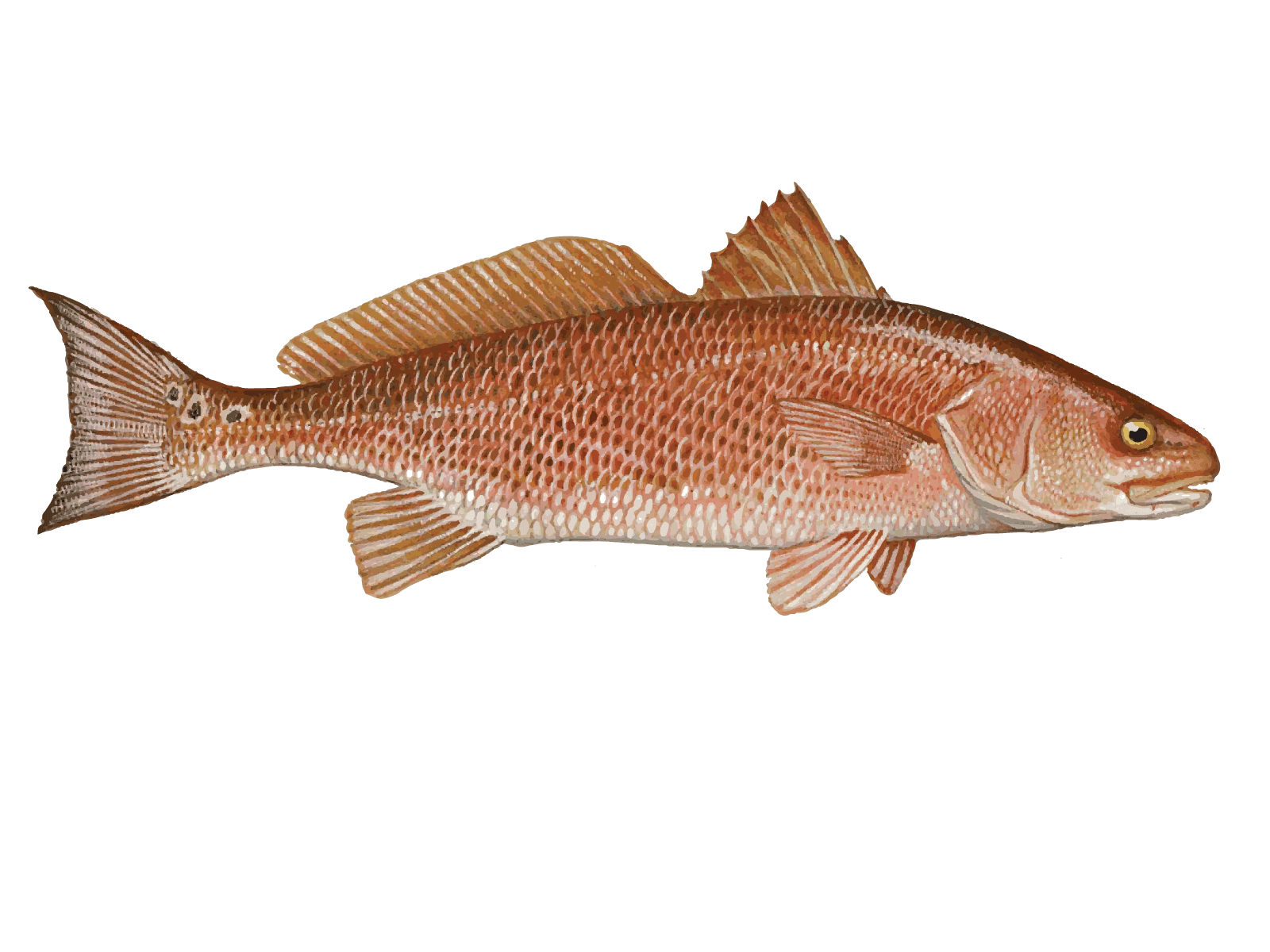
While redfish aren't common in Delaware waters, when they do show up during warmer months, they're worth targeting. These copper-colored drum typically run 28-33 inches with that distinctive black spot near the tail. Down south they love shallow flats, but here they cruise deeper water around structure and drop-offs. They're opportunistic feeders that'll hit cut bait, live shrimp, or jigs worked along the bottom. What draws anglers to reds is their bulldogging fight - they don't jump much but pull steady and strong. The meat is mild and sweet, great on the grill. If you hook into one here, consider it a bonus fish since they're at the northern edge of their range along our coast.
Southern Flounder
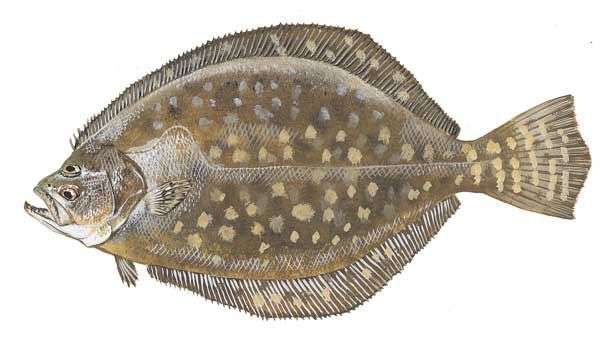
These flatfish are masters of camouflage, burying themselves in sandy and muddy bottoms where both eyes sit on their left side. Most southern flounder run 15-18 inches, but we catch some pushing 30 inches in deeper water. They're ambush predators that lie motionless until prey swims overhead, then strike fast. Fall is prime time when they move toward the inlets before heading offshore for winter. What makes flounder fishing fun is the challenge - you need to feel for that subtle tap and set the hook quick. They're also some of the best eating fish in our waters with sweet, white meat. My tip: use a sliding sinker rig with live minnows or squid strips, and work it slow along the bottom near structure.
Striped Bass
Stripers are the backbone of our Delaware surf fishing. These silver-sided beauties with their signature black stripes typically run 20-40 pounds here, though we see some pushing 50+. They're strong fighters that love structure - jetties, drop-offs, and around the inlet mouths. Best action happens during their spring and fall migrations when they're feeding heavily on baitfish. Early morning and evening tides produce the most consistent bites. What makes stripers special is they hit hard, fight clean, and taste amazing - sweet, flaky meat that's perfect for the dinner table. Pro tip: when the water's churning and baitfish are jumping, cast just beyond the commotion where the bigger stripers wait to ambush.